
In today’s technology-driven world, businesses must adapt to the digital landscape to stay competitive. Consumers increasingly rely on the internet to search for products, compare services, read reviews, and make purchasing decisions. As a result, companies that fail to establish a strong online presence risk losing valuable opportunities to competitors who actively engage with customers online.
This shift has made digital marketing an essential component of modern business strategy. Digital marketing involves using online platforms such as search engines, social media networks, websites, and paid advertisements to reach potential customers. Unlike traditional marketing methods, digital marketing allows businesses to connect with highly targeted audiences while also measuring campaign performance in real time.
Among the many strategies within digital marketing, Search Engine Optimization (SEO), Social Media Marketing, and Pay-Per-Click (PPC) advertising stand out as three of the most effective tools for business growth. Each of these strategies plays a unique role in attracting potential customers, increasing brand awareness, and generating leads.
When implemented together as part of a comprehensive digital marketing strategy, these channels can help businesses improve their online visibility, build stronger relationships with customers, and achieve sustainable long-term growth. This article explores how businesses can effectively use SEO, social media marketing, and PPC advertising to grow faster in the digital marketplace.
What Is Digital Marketing and Why It Matters for Businesses
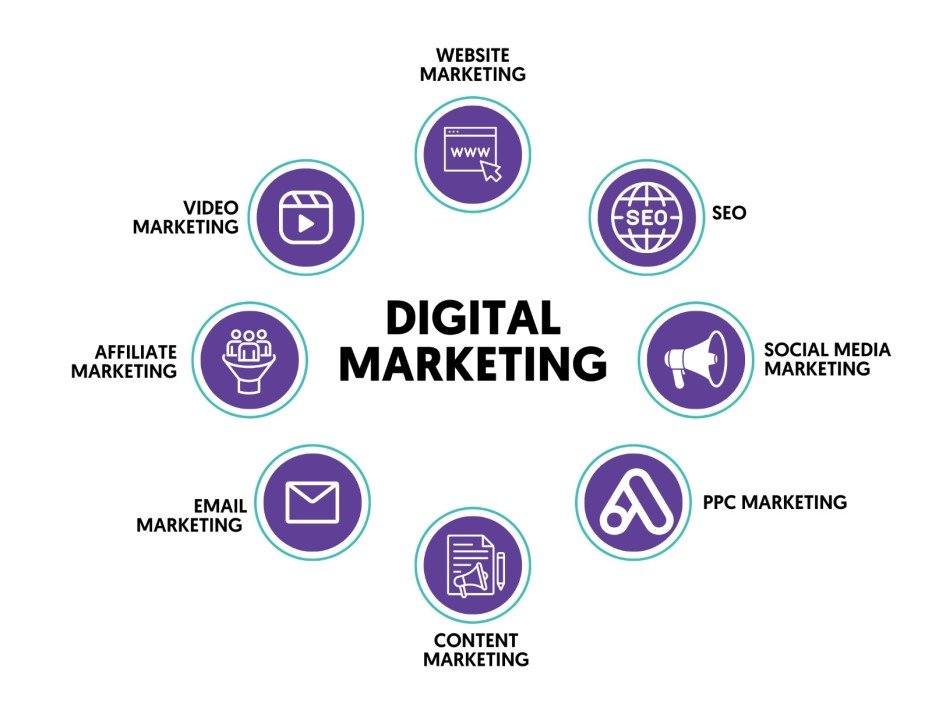
Digital marketing refers to the promotion of products, services, or brands through online channels and digital technologies. It includes various strategies such as search engine optimization, social media marketing, email marketing, content marketing, and online advertising.
Over the past decade, digital marketing has become increasingly important because consumer behavior has shifted toward online platforms. People now spend significant time browsing websites, using social media, and searching for information on search engines before making purchasing decisions.
Importance of Digital Marketing
1. Changing Consumer Behavior
Modern consumers prefer researching products online before making purchases. Businesses that appear in search results and social media platforms are more likely to attract potential customers.
2. Global Audience Reach
Digital marketing enables businesses to reach audiences across different geographic locations. Even small businesses can connect with international customers through online channels.
3. Cost-Effective Marketing
Compared to traditional marketing methods like television advertisements or print media, digital marketing offers cost-effective solutions that allow businesses to reach targeted audiences with smaller budgets.
4. Data-Driven Decisions
Digital marketing tools provide detailed insights into campaign performance, helping businesses analyze user behavior, website traffic, and conversion rates.
Because of these advantages, digital marketing has become an essential strategy for businesses of all sizes. Companies that invest in digital marketing are better positioned to reach new audiences, build brand credibility, and generate consistent revenue growth.
The Role of SEO in Digital Marketing Growth
Search Engine Optimization (SEO) is one of the most powerful components of digital marketing. It focuses on improving a website’s visibility on search engines so that it appears higher in search results when users search for relevant keywords.
When a website ranks higher on search engine results pages, it becomes easier for potential customers to discover the business. This increased visibility leads to higher website traffic and more opportunities for conversions.
Key Components of SEO
Keyword Research
Keyword research involves identifying the search terms that potential customers use when looking for products or services. By targeting the right keywords, businesses can create content that matches user intent and attracts relevant traffic.
On-Page SEO
On-page SEO focuses on optimizing the content and structure of individual web pages. Important elements include:
- Page titles and meta descriptions
- Headings and subheadings
- Keyword placement
- Image optimization
- Internal linking
These factors help search engines understand the context of the content and improve rankings.
Technical SEO
Technical SEO ensures that a website is optimized from a technical perspective. This includes:
- Fast website loading speed
- Mobile-friendly design
- Secure HTTPS protocol
- Proper website indexing and crawling
A technically optimized website provides a better user experience and improves search engine performance.
Content Optimization
High-quality content plays a critical role in SEO success. Informative blog posts, guides, tutorials, and articles help businesses establish authority in their industry while also attracting organic traffic.
Long-Term Benefits of SEO
One of the greatest advantages of SEO is its ability to generate long-term organic traffic. Unlike paid advertising, which stops producing results once the budget runs out, SEO continues driving visitors to a website over time. Businesses that invest in SEO can build sustainable growth and improve their online credibility.
How Social Media Marketing Helps Businesses Build Brand Awareness
Social media marketing has become one of the most effective ways for businesses to connect with their audience and build brand recognition. Platforms such as Instagram, Facebook, LinkedIn, and Twitter allow brands to share content, interact with followers, and promote products in a more engaging and personal way.
Social media provides businesses with an opportunity to communicate directly with their customers, understand their preferences, and build lasting relationships.
Benefits of Social Media Marketing
Audience Engagement
Businesses can interact with customers through comments, messages, polls, and live sessions. This interaction helps create a sense of community around the brand.
Content Promotion
Social media platforms are ideal for sharing various types of content, including blog articles, infographics, videos, and product updates.
Community Building
Brands that consistently engage with their followers can build loyal communities that actively support and promote their products or services.
Brand Trust and Loyalty
By providing helpful information and responding to customer feedback, businesses can build trust and strengthen their reputation.
Influencer Collaborations
Many businesses partner with influencers who have established audiences in specific niches. Influencer collaborations can help brands reach new customers and increase credibility.
With billions of users worldwide, social media platforms offer immense opportunities for businesses to expand their reach and strengthen their digital presence.
PPC Advertising for Faster Business Growth
While SEO and social media marketing focus on long-term growth, businesses sometimes need immediate visibility to attract potential customers quickly. Pay-Per-Click (PPC) advertising offers a powerful solution.
PPC advertising allows businesses to display paid advertisements on search engines and social media platforms. Advertisers only pay when users click on their ads, making this model both efficient and measurable.
Advantages of PPC Advertising
Immediate Search Visibility
PPC ads can appear at the top of search engine results pages within minutes of launching a campaign.
Precise Audience Targeting
Advertisers can target users based on factors such as:
- Geographic location
- Age and demographics
- Interests and behaviors
- Search intent
Flexible Budget Control
Businesses can set daily or monthly budgets to control advertising expenses and ensure cost-effective campaigns.
Performance Tracking
PPC platforms provide detailed analytics, including impressions, clicks, conversions, and return on investment. This data helps businesses optimize campaigns for better results.
Because of its ability to generate quick traffic and leads, PPC advertising is widely used for product launches, seasonal promotions, and limited-time offers.
Combining SEO, Social Media, and PPC for Maximum Results
Although SEO, social media marketing, and PPC advertising each offer unique advantages, the most effective digital marketing strategies combine these channels into a unified approach.
Integrated Digital Marketing Strategy
SEO for Sustainable Growth
SEO helps businesses build a strong foundation of organic traffic that continues to generate leads over time.
PPC for Instant Traffic
PPC advertising provides immediate visibility and helps businesses reach potential customers quickly.
Social Media for Engagement
Social media platforms allow brands to interact with customers, build relationships, and strengthen brand identity.
When businesses combine these strategies, they create a balanced digital marketing ecosystem that supports both short-term and long-term growth.
Key Benefits of Digital Marketing for Businesses
Digital marketing offers numerous advantages that help businesses grow and compete effectively in the online marketplace.
Major Benefits
- Increased brand visibility
- Targeted audience reach
- Cost-effective marketing campaigns
- Measurable performance and analytics
- Improved customer engagement
- Higher lead generation
- Better conversion rates
These benefits allow businesses to expand their reach and build stronger relationships with their customers.
Future Trends in Digital Marketing
Digital marketing continues to evolve as new technologies and consumer behaviors emerge. Businesses must stay updated with these trends to remain competitive.
Emerging Trends
Artificial Intelligence in Marketing
AI tools are increasingly used to analyze customer behavior, automate marketing campaigns, and provide personalized recommendations.
Voice Search Optimization
As voice assistants become more popular, businesses need to optimize content for voice-based searches.
Short-Form Video Marketing
Short videos have become one of the most engaging content formats, particularly on social media platforms.
Personalized Marketing
Businesses are using customer data to deliver personalized experiences that match individual preferences.
Data-Driven Marketing
Advanced analytics tools allow marketers to measure campaign performance and make strategic decisions based on real data.
Also read :
- Top 15 Digital Marketers in Mumbai in 2026
- What is Content Marketing? Everything You Need to Know
- AI in Digital Marketing: The Complete Guide
- Latest Digital Marketing Trends in 2026
- Google Analytics 4 (GA4) Complete Guide for Beginners
- Best Free SEO Tools : 25 Powerful Tools to Boost Your Website Rankings